
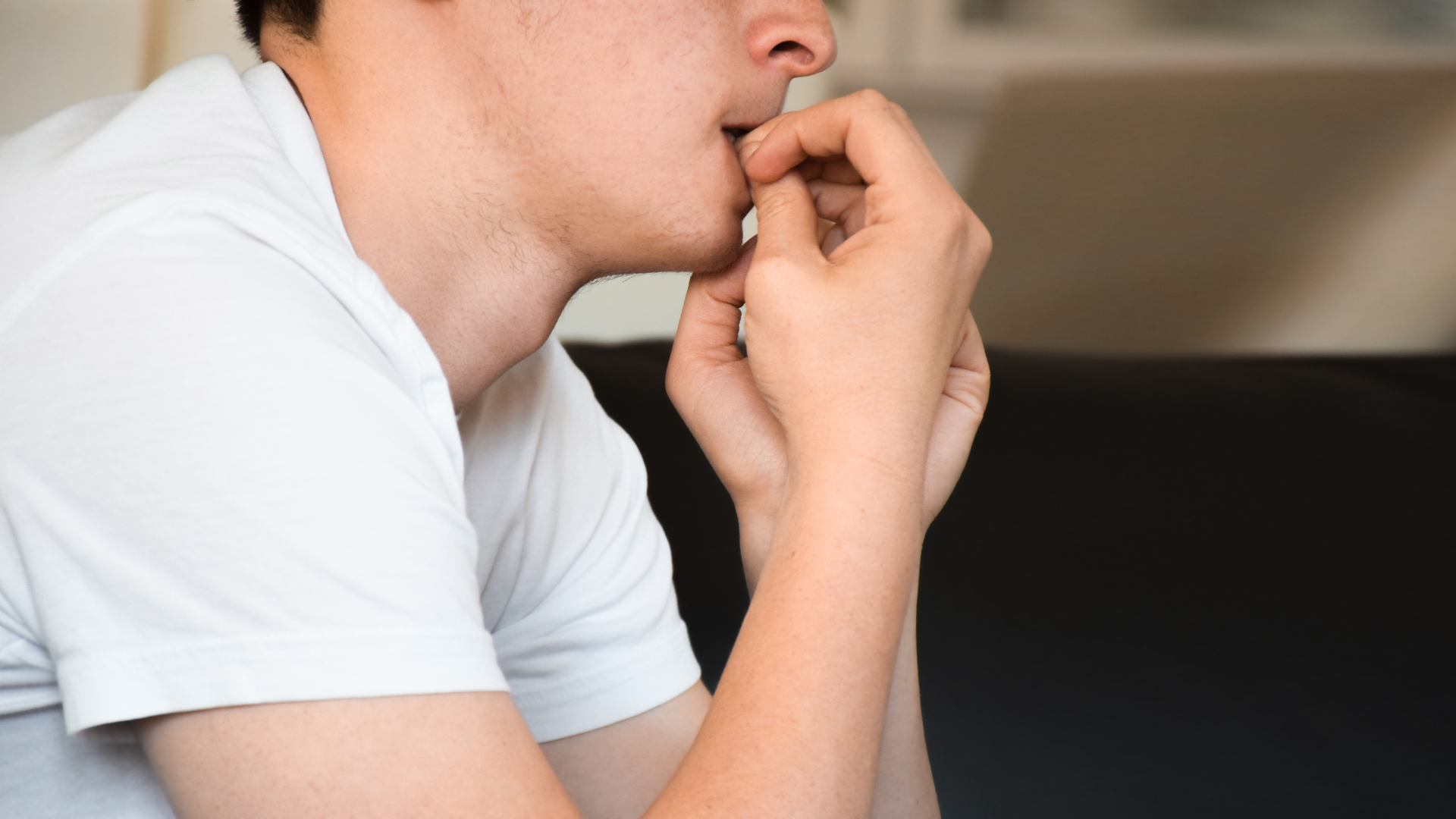
Self-Hypnosis for Emotional Overload
Many people facing emotional overload find that learning quick self-hypnosis techniques helps you regain your calm, shift unhelpful thoughts, and enhance emotional regulation; this guide explains practical steps, breath-linked inductions, and short anchor scripts you can use daily to interrupt overwhelm and strengthen your resilience, with safety tips and signs for when to seek professional support.
Understanding Emotional Overload
You experience emotional overload when your regulatory systems are outpaced by demands, so your prefrontal control weakens and the amygdala drives reactivity. Cognitive capacity shrinks-working memory, typically about 7±2 chunks, becomes unreliable-so decision-making falters and stress hormones rise. Practical signs include quicker irritability, poorer problem-solving on complex tasks, and sleep disruption; these effects can appear after a single intense day or build over repeated high-demand weeks.
Identifying Symptoms
You can spot emotional overload across three clusters: physical (racing heart, shallow breathing, muscle tension), cognitive (brain fog, forgetfulness, indecision), and behavioral (avoidance, snapping at others, disrupted sleep). Often you’ll notice a pattern-such as increased errors at work or escalating arguments at home-that signals your coping reserves are depleted and that brief grounding or a self-hypnosis pause could restore balance.
Triggers of Emotional Overload
You face acute triggers like tight deadlines, interpersonal conflict, sudden bad news, and sensory bombardment (crowds, noise), plus chronic pressures such as caregiving, financial strain, or 10+ daily digital notifications. For example, a 12-hour shift combined with uninterrupted alerts and little recovery time commonly precipitates overload, making you more reactive and less able to apply deliberate coping strategies.
Triggers often compound: one missed night’s sleep increases sensitivity to the next stressor, and cumulative allostatic load lowers your resilience. If you work 10 hours, commute an hour, and process 50+ notifications daily, your capacity for regulation can erode within days to weeks, producing escalating symptoms unless you insert recovery practices-short breathwork, scheduled micro-breaks, or targeted self-hypnosis-to interrupt the cascade.
The Science of Self-Hypnosis
Neuroimaging and EEG work show that directed self-hypnosis shifts you into increased theta and alpha activity while dampening limbic hyperreactivity, effectively enhancing prefrontal regulation of emotion; meta-analyses report moderate-to-large effects (d≈0.5-0.8) for hypnosis on anxiety and stress, and you can see measurable change after consistent practice over weeks rather than instant permanent rewiring.
How Self-Hypnosis Works
You enter a focused, relaxed state through breath, progressive relaxation, and imagery, then apply targeted suggestions that bias attention and meaning; typical protocols use 10-20 minute sessions, 3-5 times weekly, and by repeatedly pairing calming cues with reduced arousal you leverage neuroplasticity-functional connectivity between prefrontal cortex and amygdala strengthens over 4-8 weeks in many clinical protocols.
Benefits of Self-Hypnosis for Emotional Relief
You get rapid, session-level relief (reduced heart rate and subjective distress) plus cumulative gains: higher heart-rate variability, lower reported anxiety, and improved emotion regulation in daily life; clinical literature shows consistent reductions in state anxiety and stress-related symptoms, with many people reporting noticeable improvement within 2-6 weeks of regular practice.
Practically, you can use self-hypnosis before a stressor-10 minutes pre-presentation often lowers anticipatory anxiety-or as a nightly routine to reduce rumination; tailor scripts to your triggers, track progress on a 0-10 distress scale before/after sessions, and combine with brief behavioral experiments so you can quantify reductions and refine suggestions for specific outcomes.
Techniques for Self-Hypnosis
Preparation and Setting
You should select a quiet space and set aside 10-20 minutes, silence devices, and dim lights to lower sensory input. Sit or lie comfortably with feet supported, wear loose clothing, and set a gentle timer; many people find 10 minutes effective for daily practice. If you use music, keep it at ~40-60 bpm and under 30% volume to avoid distraction.
Preparation and Setting
| Element | How you set it |
|---|---|
| Duration | 10-20 minutes; start with 10 and extend as needed |
| Location | Quiet room, low light, comfortable chair or bed |
| Posture | Sitting with back supported or lying flat, knees slightly bent |
| Distractions | Phone on silent, door closed, pet placed elsewhere |
| Tools | Timer, eye mask, earbuds, optional metronome at 40-60 bpm |
Step-by-Step Guide to Self-Hypnotize
You begin by taking 6-8 deep breaths, then relax muscle groups from head to toes-count 1 to 7, holding each release for 3 seconds. Next, use a 10-to-1 countdown visualizing descending steps; at “1” deepen focus and state 1-2 concise positive suggestions (e.g., “I am calm during stress”). Finish with a 1-5 count to reorient and stretch slowly; set a timer for practice length.
Step-by-Step Guide
| Step | Action you take |
|---|---|
| 1. Center | 6-8 slow breaths to drop heart rate |
| 2. Progressive relaxation | Relax 7 muscle groups, 3 seconds each |
| 3. Deepen | Count down 10→1 and visualize steps |
| 4. Suggestion | State 1-2 positive, present-tense phrases |
| 5. Anchor | Light touch or word to associate feeling |
| 6. Return | Count 1→5, open eyes, stretch |
You should craft suggestions in the present tense, short and specific-limit to one target per session and repeat each phrase 3-5 times during the deepest phase. Practice 5 times per week for 2-4 weeks to build habit; if you struggle, shorten sessions to 5 minutes or record your own voice for guided playback. Avoid self-hypnosis while standing or driving.
Practical Tips for Effective Practice
| Tip | How you implement it |
|---|---|
| Single target | Choose one habit or feeling to address per session |
| Phrase style | Use present-tense, positive statements repeated 3-5 times |
| Frequency | Practice ~5 sessions/week for 2-4 weeks to see change |
| Recording | Record your script for consistent delivery and pacing |
| Safety | Only practice seated or lying down; do not do while driving |
Integrating Self-Hypnosis into Daily Life
Make self-hypnosis a habit by scheduling short, frequent sessions: 10-15 minutes morning and evening plus 2-5 minute micro-sessions as needed. Use consistent cues-after brushing your teeth, arriving at work, or a five-count breath-to anchor practice. Track progress with a habit app or simple journal; habit formation averages about 66 days, so set weekly goals and review frequency of emotional overload episodes. Over time you’ll notice faster recovery from spikes and greater control when stressors arise.
Creating a Routine
Anchor sessions to existing habits: do 10 minutes of guided self-hypnosis after your morning hygiene or a 5-minute micro-session before lunch. Use your phone’s reminders or habit-stacking (e.g., after coffee) to automate practice. Vary scripts weekly-one for calming, one for focus-and log each session’s duration and your SUDS rating (0-10). Aim for practice 5-7 days weekly; consistency of short sessions often yields faster benefits than sporadic long sessions.
Combining with Other Coping Strategies
Pair self-hypnosis with breathing, movement, and cognitive tools: combine a 10-minute hypnosis script with diaphragmatic breathing at 4-6 breaths per minute, or follow with a 10-minute progressive muscle relaxation. Use the 5-4-3-2-1 grounding exercise before a micro-session when panic rises. Coordinate with your therapist to integrate thought records or exposure work, and consult your prescriber if medication adjustments are involved.
Create combined protocols: morning 10-minute imagery-based self-hypnosis for regulation, midday 3-minute anchor using a scent or fingertip press plus two slow breaths, and evening 15-minute session that adds CBT-style reframing. Track outcomes with a simple weekly log you update-note session type, SUDS score, and number of overload episodes-and after 4-6 weeks adjust components based on trends. You’ll often find that pairing movement (20-30 minutes brisk walk) before hypnosis deepens absorption and reduces physiological arousal.
Common Challenges and Solutions
In practice you’ll face common hurdles-irregular practice, high expectations, and technique drift. Combat these by scheduling micro-sessions of 3-7 minutes, aiming for 3 times per week, and logging each session with a 0-10 intensity rating to track progress. Use short audio scripts to maintain consistency and set one measurable goal (e.g., reduce overwhelm score by 2 points in four weeks). Small, repeatable steps often produce steadier, measurable change than sporadic long sessions.
Overcoming Resistance
If you encounter resistance-fear of losing control, skepticism, or boredom-start with 2-5 minute guided inductions and a clear safety cue you can use to end the trance instantly. Gradually increase duration by 1-2 minutes every 3-4 sessions. Try a 14-day micro-habit: two-minute paced breathing plus one-minute safe-place imagery; many people report reduced pushback within 7-10 days when they track adherence.
Dealing with Deep-Seated Emotions
When deep emotions surface, treat them as material to titrate rather than fix immediately; you may see these arise around session 4-8 as barriers lower. Use grounding (5-4-3-2-1 senses), paced breathing at 4-6 breaths per minute, and a clear stop signal. If distress escalates-flashbacks, nightly panic, or suicidal thoughts-pause self-hypnosis and consult a licensed clinician promptly.
For deeper work, apply ego-strengthening suggestions and resource anchoring before exploring traumatic material: spend 2-3 sessions building a safe-place anchor that you can access in under 30 seconds. Limit exploration sessions to 20-30 minutes and alternate them with stabilization sessions focused on calmness and functional goals. Tracking symptoms weekly and involving a therapist for protocol adjustments reduces risk and improves outcomes.
Evaluating Progress
Tracking Emotional Changes
You can quantify change by rating your emotional state 0-10 three times daily and logging triggers, intensity, and episode duration; review the data weekly for 4-8 weeks to spot trends. For example, one client reduced weekly overload episodes from six to two after eight weeks of consistent self-hypnosis and trigger work. Use a simple spreadsheet or app, chart weekly averages, and note whether peak intensity (your daily high) drops by at least 30% over a month.
Knowing When to Seek Professional Help
If your ratings stay consistently at 7-10, you experience suicidal thoughts, self-harm urges, major work/school impairment for more than two weeks, or panic attacks increase to four or more per week, escalate care. Also reach out if substance use rises as a coping tool or if six to eight weeks of disciplined self-hypnosis (e.g., 15-25 minutes, 5 times/week) yields no meaningful improvement. In emergencies, contact local crisis services immediately.
When you decide to seek help, bring your tracking log showing frequency, intensity, and techniques used-clinicians find concrete numbers (daily ratings, episode counts) invaluable. Consider a licensed therapist for CBT (commonly 8-12 sessions) or a psychiatrist if medication is needed; teletherapy can speed access. One person who logged daily 20-minute sessions for six weeks still had nightly panic and improved after starting CBT combined with brief medication, illustrating when combining approaches is appropriate.
Summing up
Ultimately you can use self-hypnosis to regain calm when emotional overload threatens; through focused breathing, grounding anchors, and short guided scripts you train your nervous system to settle, sharpen emotional clarity, and choose responses instead of reacting. Regular, safe practice makes this a reliable tool for interrupting overwhelm, restoring perspective, and strengthening resilience-seek professional support for persistent or trauma-related distress.